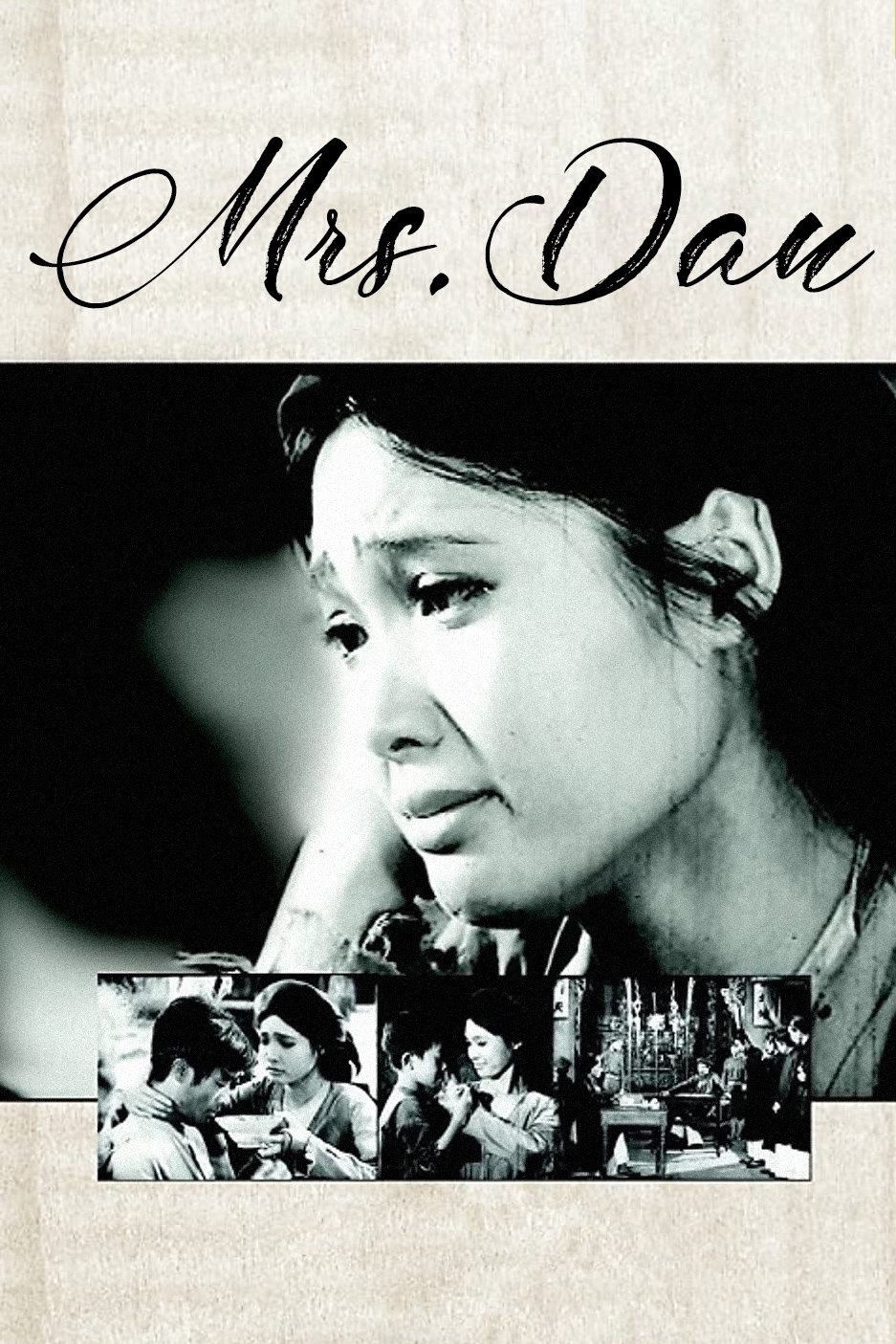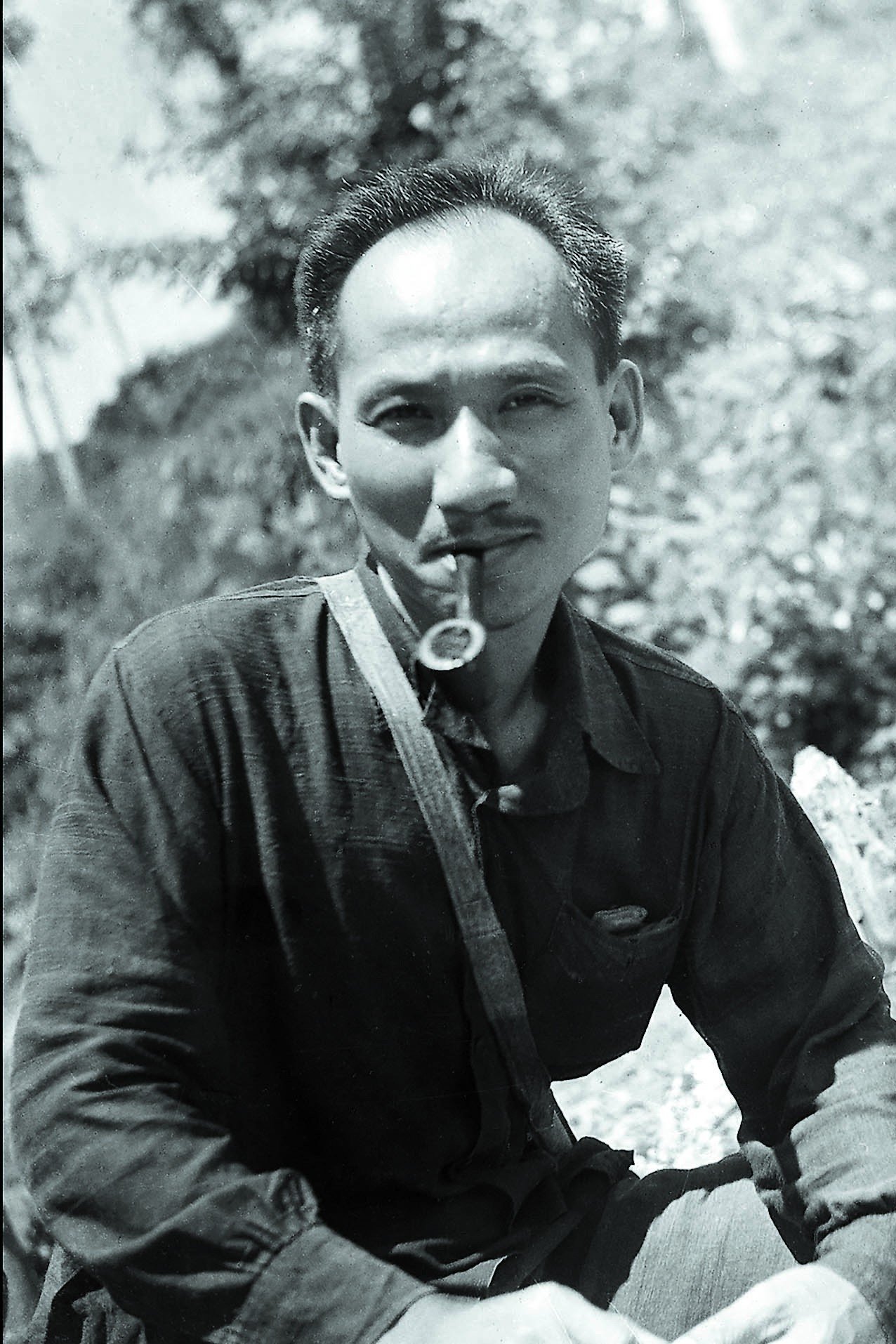
Nguyễn Tuân (10th July 1910 - 28th July 1987) was a Vietnamese writer, essayist, journalist and poet. Often considered one of the greatest and most influential writers in modern Vietnamese literature, he rose to prominence in 1930s with the publication “Một chuyến đi” and “Vang bóng một thời”, noted for a signature style that features liberal, unconventional storytelling structures, an erudite knowledge of the arts and often politically charged messages. His works around this time contain Romantic undertones, a rejection of modern society as corrupting the noble beauties of the past and advocation for peripateticism (“chủ nghĩa xê dịch”), a theme also recurrent in his later works. When the writer became a journalist for the Revolutionary forces in 1945, traces of Romanticism slowly disappeared from his writings and replaced by a bigger focus on the natural world and labourers, on finding the grandeur beauty in common things. Besides his prolific writing career, Nguyễn Tuân had been an amateur actor; he acted in two films, and the most famous on is “Chị Dậu”(Mrs Dậu) as the Head-borough.