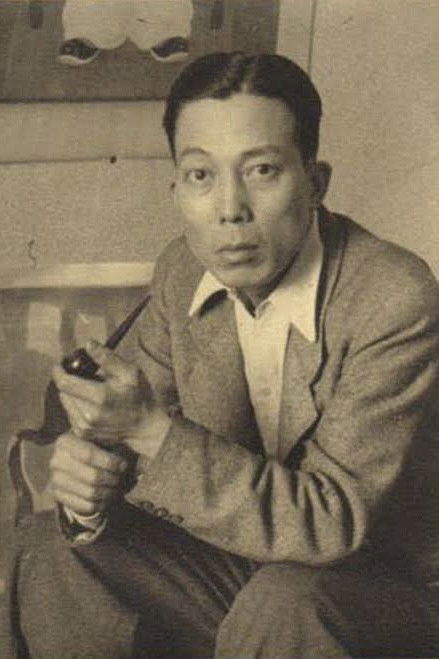
Born in 1906 in Hai Phong, Vietnamese-French artist Mai Trung Thứ, also known as Mai Thu, was one of the most prominent figures in the history of Vietnamese modern art in the twentieth century. He belongs to the first generation of Vietnamese painters to receive formal training in Western art, attending the École des Beaux-Arts de l’Indochine between 1925 and 1930—alongside Lê Phô, Vu Cao Dam and Le Thi Luu. Under the tutelage of French painters Victor Tardieu and Joseph Inguimberty, Mai Thu explored not only Western methods of art but also expressions of Vietnamese tradition and identity.
Starting with oil on canvas, he transitioned to silk painting, combining traditional Vietnamese materials with foreign techniques. He developed a unique aesthetic built heavily upon Vietnamese subject matter — everyday moments of rural life, graceful women, and innocent children. In 1937, he participated in the International Exhibition of Decorative Arts in Paris, which prompted his lifelong exploration in this foreign land. This became a watershed moment in Mai Thu’s professional life, propelling him onto the global stage, where he perfected his craft and garnered interest among French collectors, becoming one of the first Vietnamese artists to achieve international success.